Anne Newland trained in pediatrics and in internal medicine, a pairing that prepared her to treat children and adults alike, and from 2004 to 2012 she gave outpatient and emergency care as an Indian Health Service physician at Kayenta Health Center on the Navajo Nation. Caring for every age, in the office and in a crisis, was once the ordinary job of the American country doctor.
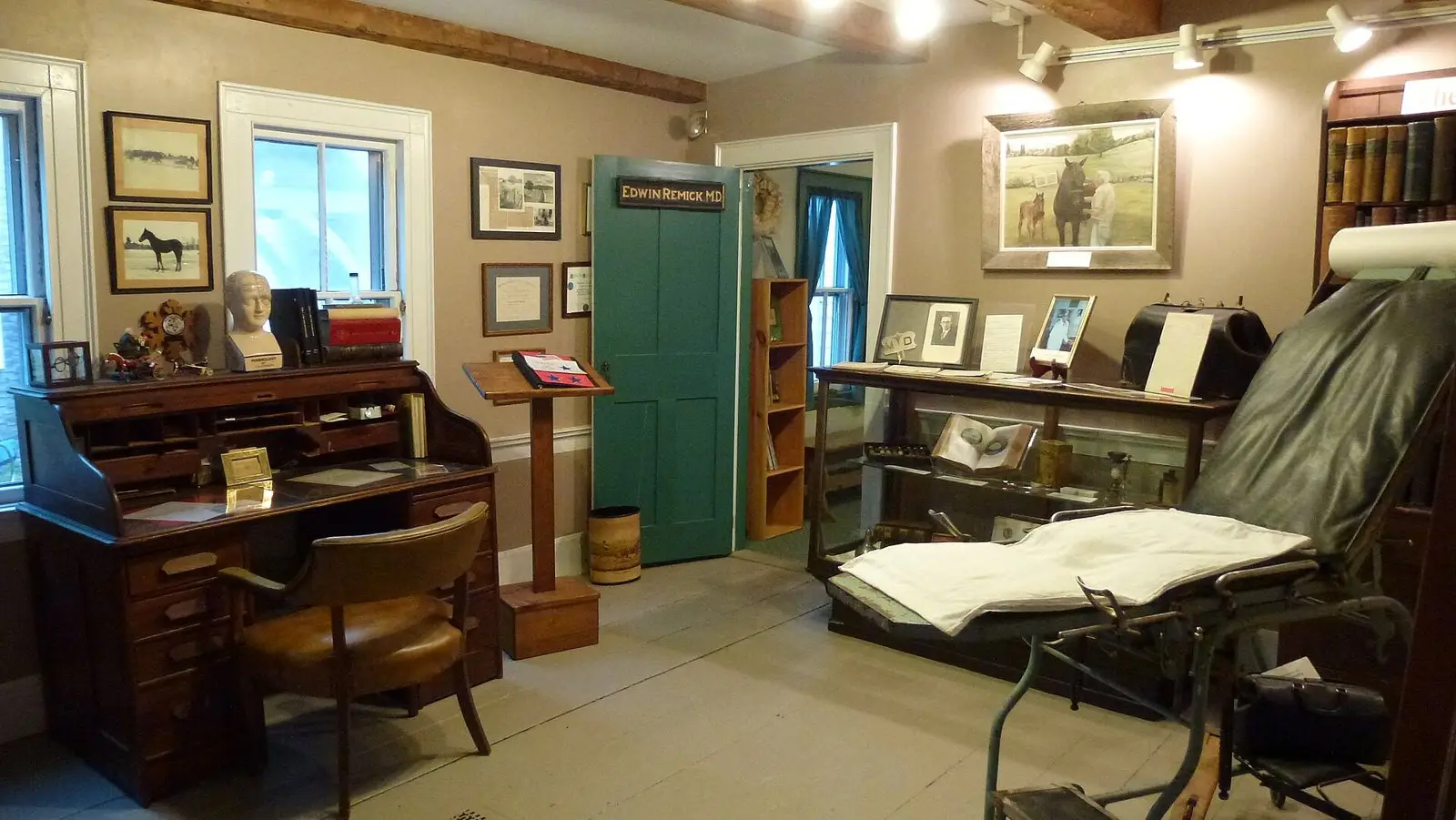
By the 1940s that doctor usually went to the patient by automobile. Time magazine noted in 19391 that the country doctor now drove his rounds, even though some 55 million rural Americans were still receiving what the magazine called horse and buggy care1. In 1948 Life magazine sent the photographer W. Eugene Smith to Kremmling, Colorado, to show the rural physician shortage through one man, Dr. Ernest Guy Ceriani, a general practitioner responsible for the whole town at any hour, as a Medical Economics retrospective on the photo essay2 recalls2. The magazine's editors present the series as a record of practice before insurance and computers, in an era when physicians still routinely went to patients' homes2.
The generalist before specialization
The older model ran on house calls. An Osmosis history of family medicine3 describes nineteenth century general practitioners reaching patients by buggy, on horseback or on foot, through snow and mud, with no laboratory or X ray to lean on3. With few specialists anywhere outside the cities, one physician delivered babies, set broken bones, treated fevers and sat with families through outbreaks of smallpox and diphtheria3. The same history credits rural doctors of the early twentieth century, and groups like the Frontier Nursing Service in 1920s Appalachia, with serving as the entire medical team where hospitals did not exist3.
Fiction recorded an argument about these doctors that still sounds current. An essay in the health humanities journal Synapsis4 contrasts George Eliot's Middlemarch, whose ambitious young Tertius Lydgate looks down on the old country practitioners as unscientific, with Ellen Wood's 1863 novel Verner's Pride4. Wood's Jan Verner, trained in Paris but raised in his village, diagnoses a neighbor's illness because he understands her household, her habits and her local speech, and he treats a poor laboring family with an eye to the housing that is making them sick4. The essayist reads Jan as the country doctor at his best, a member of the community who follows patients over many years4.
Why the country doctor faded
By the late 1930s the economics were punishing. The Time report on the 1938 Cooperstown conference, held at Mary Imogene Bassett Hospital in New York, found that a federal survey of 1,340 rural counties had turned up no hospital at all in 55 percent of them1. One country physician told the conference that a doctor covering a wide territory might gross $5,000 in a good year, but that 40 percent went to transport and supplies, leaving a net seldom above $3,0001. A Vanderbilt professor added that 10 to 20 percent of country doctors would not take further training even when it was offered1.
Kansas illustrated the decline in numbers. A 1948 Time report5 said the state's population had grown about 25 percent since 1906 while it lost some 30 percent of its doctors, and the share practicing in country districts had fallen from half to 28 percent5. The dean of the state's medical school argued that students were too poor to equip a rural office and afraid of falling behind on new methods, and he named that isolation as the core problem5.
| Cooperstown conference, 1938 | Battle Mountain, Nevada, 1976 | |
|---|---|---|
| Income | About $5,000 gross in a good year, net seldom over $3,000 | Salary of $40,000 to $60,000 paid by a nonprofit |
| Backup | No hospital in 55 percent of surveyed rural counties | Phone advice from university specialists and an ambulance plane |
| Further study | Many country doctors skipped postgraduate training | Two weeks a year set aside for continuing education |
A 1958 New York Times report7 explained that the country doctor was disappearing mostly through attrition, not migration to cities. The car and telephone let a neighboring physician stretch across more towns, and the paper found one who was treating as many as 103 patients a day, which it judged thin and costly care7.
“Young doctors seldom replace the country doctors who retire or die.”The New York Times, 1958, The New York Times
Bringing doctors back to small towns
Communities and institutions tried several fixes. The 1948 Kansas plan had three parts: expand the medical school from 80 to 100 graduates a year, have towns set up new doctors in practice for about $15,000 to be repaid in installments, and send faculty around the state to give refresher courses5. Its dean told students they were beginning a forty year education5. A decade later the Sears Roebuck Foundation, working with the American Medical Association, offered towns a survey of local need, coaching for a fund drive and blueprints for a clinic, but no money7. Carbondale, Colorado, population 441, raised most of the $18,000 for its clinic in about four months and drew a physician from Cincinnati7.
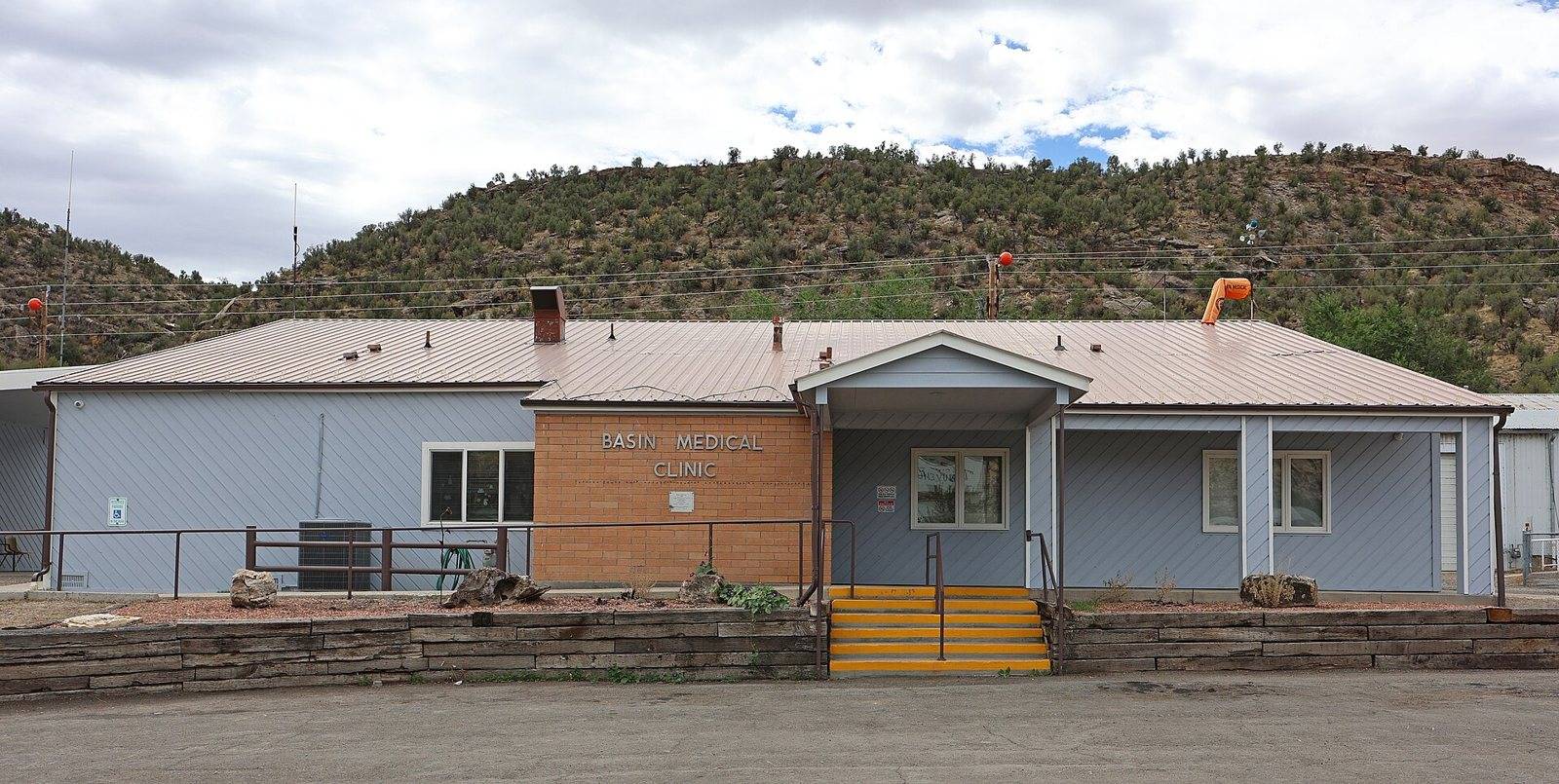
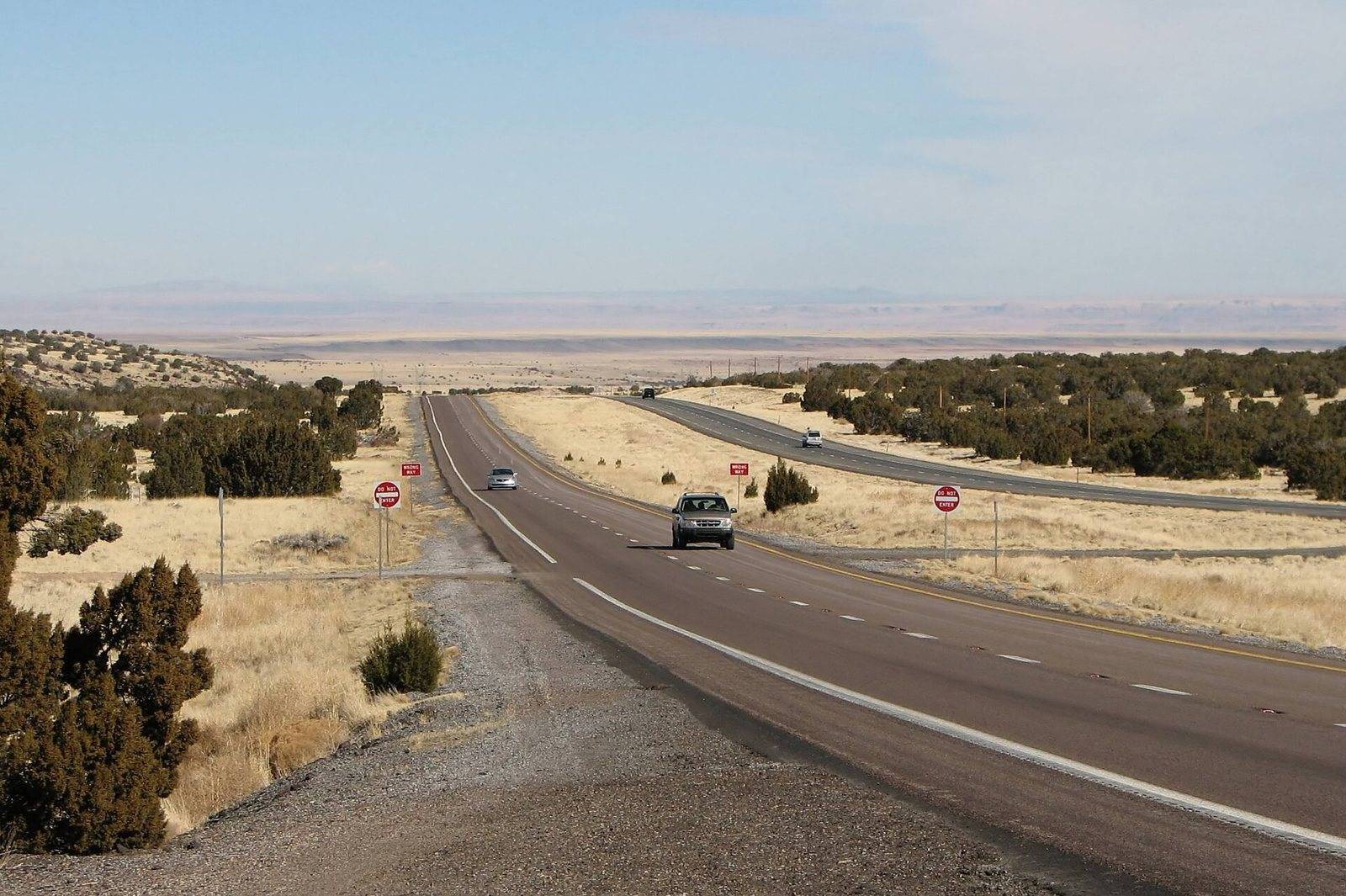
A 1976 Time report6 described a different approach from doctors at the University of Utah, a nonprofit called the Health Systems Research Institute that took over medical services for rural counties and ran eleven clinics and three hospitals in five Western states6. The county supplied the building and equipment, and the institute hired and paid the staff. In Battle Mountain, Nevada, Dr. Minthorne Norton saw about 200 patients a week with a physician assistant, a practical nurse and three clerks; he was the only doctor along 120 miles of Interstate 806.
Family medicine becomes a specialty
The deeper repair came from inside the profession. According to the Osmosis history, general practitioners organized a national academy in 1947, the body now called the AAFP, to press for better training and standing3. Residency programs for family practice began in the 1960s, and in 1969 family medicine became an official specialty with its own certifying body, the ABFM3. Trainees rotated through pediatrics, obstetrics and internal medicine, and by the 1980s programs added mental health, geriatrics and sports medicine3.
- 1938Cooperstown conference gathers facts on rural medicine
- 1947General practitioners found a national academy
- 1948Life photographs a Kremmling general practitioner; Kansas drafts a recruiting plan
- 19571,982 towns under 2,000 people ask the AMA for help finding a doctor
- 1969Family medicine becomes a board certified specialty
- 1976A Utah nonprofit runs eleven rural clinics in five Western states
The heir to the general practitioner
The modern successor is the family physician, along with generalists in neighboring fields, working in a team. The Osmosis history describes today's family doctors coordinating with specialists, folding mental health into routine visits and sharing work with nurse practitioners and physician assistants, and it observes that telemedicine has partly revived the house call3. In many rural places, it adds, the family physician is still the only option nearby3. Norton's arrangement in Nevada, a generalist on the spot with specialists on the telephone and an aircraft for transfers, already looked much like this pattern6.
What carries over from Kremmling and from Verner's Pride is less the black bag than the continuity, a doctor who knows the household and follows it for years4. That breadth is the subject of primary care in small towns; the rest is distance, explored in distance and access to care and emergency care in remote places, with more on the rural medicine hub.
References
- Medicine: Country Care. Time, 1939.
- The life and times of the country doctor | Medical Economics. Medical Economics, 2023.
- A History of Family Medicine: From Country Doctors to Coordinated Care Osmosis Blog. Osmosis, 2025.
- The Case for the Country Doctor S Y N A P S I S. Medical Health Humanities, 2021.
- Medicine: Wanted: G.P.s. Time, 1948.
- Medicine: Back to the Boondocks. Time, 1976.
- Vanishing American The Country Doctor; The declining number of rural M.D.'s makes for poor medical care; now a drive is on to recruit more. (Published 1958). The New York Times, 1958.
Further reading online
- TimeMedicine: Country Care
- Medical EconomicsThe life and times of the country doctor | Medical Economics
- OsmosisA History of Family Medicine: From Country Doctors to Coordinated Care Osmosis Blog
- Medical Health HumanitiesThe Case for the Country Doctor S Y N A P S I S
- The New York TimesVanishing American The Country Doctor; The declining number of rural M.D.'s makes for poor medical care; now a drive is on to recruit more. (Published 1958)
Related entries
Primary Care in Small Towns
Deliveries, nursing homes, emergency shifts and clinic visits, often handled by the same small town doctor.
Distance and Access to Care
Miles, mountain roads and missing technicians: how distance changes what rural patients can get from medicine.
What Counts as Rural
Census tracts, metro counties and rugged roads: the federal rules that decide which places are rural.


