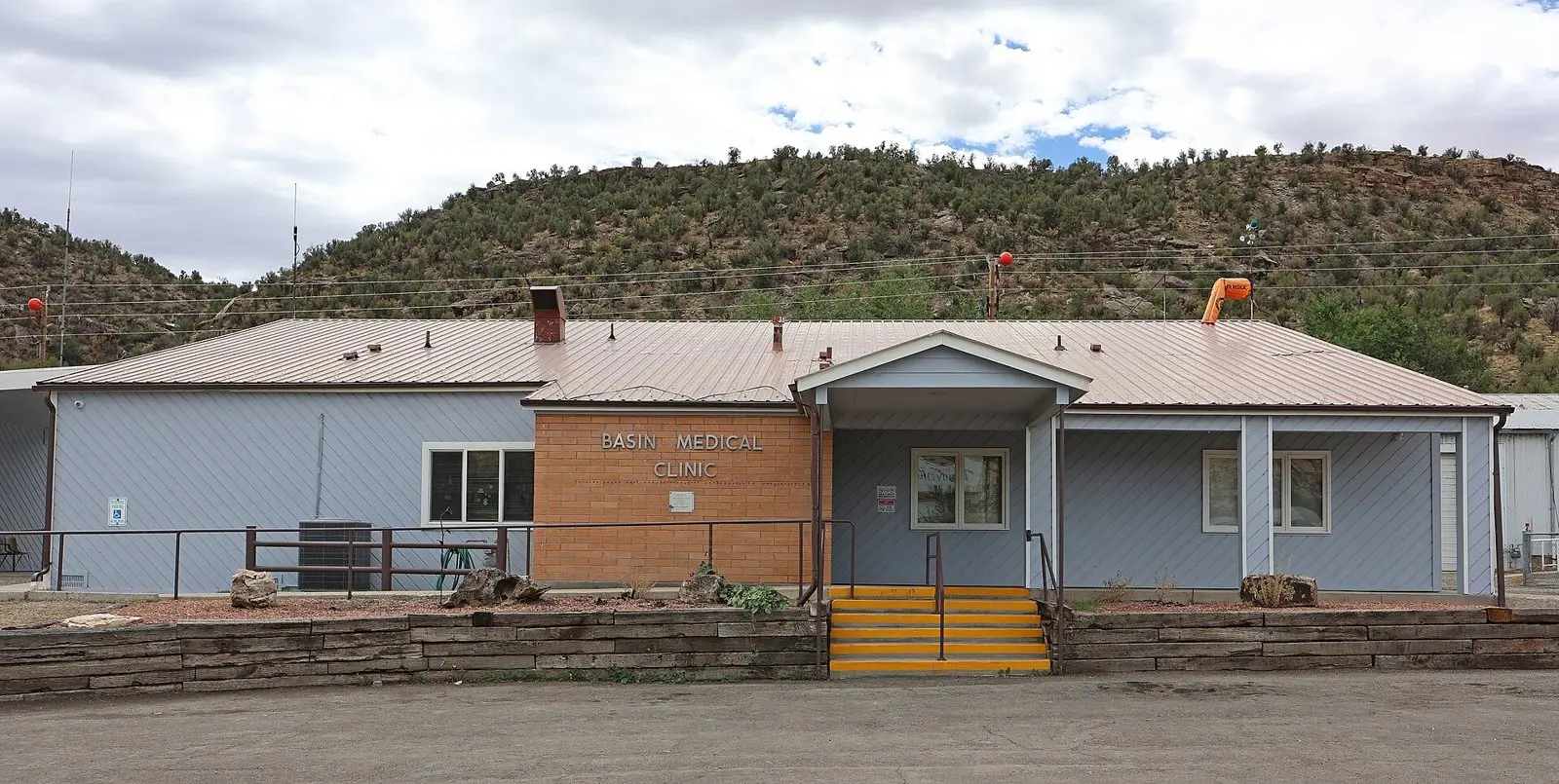
Anne Newland is certified by specialty boards in pediatrics as well as internal medicine, and her training in the two specialties readied her to treat children and adults alike. That span of ages is ordinary in small towns, where one practice often has to serve whoever comes through the door.
A single rural schedule can run from a newborn to a nursing home resident before evening. In Thermopolis, Wyoming, family physician W. Travis Bomengen described to Healio Primary Care in 20201 a training track in which residents round on hospital patients, deliver a baby, see clinic patients and visit nursing homes within a day or two. The clinic list itself reflects every stage of life. A 2020 conference talk reported by Healio2 proposed a starter set of quality measures for rural health clinics that included a full series of childhood vaccines by the second birthday, blood pressure control in adults, tobacco screening at least every 24 months and an up to date medication list.
What rural primary care clinicians do
Bomengen listed the places his work takes him: emergency department shifts, the hospital ward, the nursing home, the outpatient clinic and patients' homes, with the occasional question answered at the gas station1. He also noted that rural physicians often lead community organizations. City colleagues, by contrast, can usually hand much of that work to specialists down the hall.
National data back up his account. A November 2025 report from the Primary Care Collaborative and the Robert Graham Center, summarized by Healio3, found that rural primary care physicians delivered more comprehensive care than urban peers between 2016 and 2022, scoring 5.16 against 4.51 on a measure built from the Berenson Eggers Type of Service classification. Rural clinicians were more likely to perform endoscopies and minor skin procedures. Nurse practitioners and physician associates in rural areas showed the same pattern, though to a smaller degree.
| Rural primary care | Urban primary care | |
|---|---|---|
| Clinicians per person | About 15 percent fewer primary care clinicians | More clinicians per capita |
| Breadth of services | Comprehensiveness score of 5.16, 2016 to 2022 | Comprehensiveness score of 4.51 |
| Procedures | More endoscopies and minor skin procedures | Fewer such procedures by primary care clinicians |
| Heart attack plan | Clot dissolving drug within 30 minutes | Angioplasty or a stent at a tertiary center |
Specialist backup is often hours away. Bomengen's nearest tertiary hospital is in Casper, about two hours off, and another is in Billings, Montana, about three and a half hours away1. For a heart attack his aim is to give a clot dissolving drug within 30 minutes, whereas a large urban center might go straight to angioplasty. Specialists from those centers hold outpatient clinics in town, answer phone consults and join by telemedicine, an approach described further under new models of rural care.
Travel time sets how far any one clinic must stretch. A 2016 study of Appalachian counties in Pennsylvania, Ohio, Kentucky and North Carolina, reported by Healio4, mapped 9,483 primary care physicians against census block groups covering more than 10.7 million people and found longer drives to the closest physician in rural areas. The authors noted that 42 percent of Appalachia's population is rural, against a national figure of 20 percent, and that simple county ratios of doctors to residents varied widely because of rigid boundaries. More on the miles involved is in distance and access to care.
Fewer doctors are left to do it
The rural workforce carrying this load is shrinking. A study in the Annals of Family Medicine, reported by Healio in December 20255, counted practicing rural family physicians aged 65 or younger and found 11,847 in 2017 but 10,544 in 2023, a net loss of 11 percent. The Northeast lost 15.3 percent of its rural family physicians and the West 3.2 percent. Women rose from 35.5 to 41.8 percent of the rural group over the same years.
The authors translated small losses into people. The 11 family physicians the West lost between 2021 and 2022, at panels of 1,500 to 3,500 patients each, meant potential lost access for 16,500 to 38,500 people5. A Commonwealth Fund report summarized by Becker's Hospital Review6 projects that primary care physician supply will meet 73 percent of national demand by 2037 but only 68 percent in rural areas.
The same report counts nearly 43 million people living in rural areas without enough primary care providers6. When a clinic has no opening, patients go to the emergency department for problems a primary care visit could have handled, and transportation and weak broadband add further barriers. Nurse practitioners, the fastest growing clinical role in the country, are expected to exceed rural demand by 2037 and are taking on a larger share of the work.
Training patterns help explain the gap. A Robert Graham Center study described by the Daily Yonder in 20247 found that in 2021, 37 percent of residents began in primary care, yet only 15 percent of physicians were practicing it three to five years after residency, as many subspecialized or became hospitalists. Fewer than 5 percent of primary care residents spent time training in rural and other underserved places. Rural areas hold 19.88 percent of the national population, the lead researcher, Yalda Jabbarpour, noted, but their older and sicker residents need more care than that share suggests. The wider picture is covered under the rural doctor shortage.
The breadth that small towns need
Because a rural clinician may be the only one in reach, breadth is a practical requirement rather than a preference. Bomengen's program was built to correct residents who pictured a career limited to clinic and hospital work, teaching pediatrics, obstetrics and geriatrics side by side instead1. He also stressed recognizing the moment to call for help.
“you must be comfortable being uncomfortable and not knowing it all”W. Travis Bomengen, family physician, Thermopolis, Wyoming, Healio
Nurse practitioner education is moving the same way. In a pilot described in the Journal of Nursing Education8, ten nurse practitioner students spent 16 weeks in a rural immersion and reported gains in health literacy work, patient advocacy, communication and handling ethical questions with patients, along with a clearer sense of rural challenges. Jabbarpour argued that medical schools should recruit students from rural communities, since people tend to return home to practice, and that towns should help physicians' partners find work7. She added that exposure matters most, citing evidence that physicians trained in Teaching Health Centers and rural tracks are more likely to stay.
The reward of that breadth is continuity across generations. Bomengen described watching children he delivered graduate from high school and guiding older patients through the end of life, while warning that losing a longtime patient who is also a friend weighs heavily1. Case studies in the Primary Care Collaborative report found that comprehensive care builds patient trust, and the report urged steady investment and rural training pathways to keep it going3. A town that keeps such a clinician keeps a doctor for the baby, the grandparent and everyone between.
References
- Q&A: Wyoming program trains PCPs for careers in rural practice. Healio, 2020.
- Tasks that rural health clinics can perform to improve care, revenue. Healio, 2020.
- Rural PCPs often provide more comprehensive care vs. urban peers. Healio, 2025.
- Rural patients have longer travel times to their closest primary care physician. Healio, 2016.
- Rural family physician workforce is shrinking. Healio, 2025.
- The state of rural primary care: 4 notes. Becker's Hospital Review, 2025.
- Rural Communities Face Primary Care Physician Shortage | The Daily Yonder. The Daily Yonder, 2024.
- Preparing Nurse Practitioner Students to Practice in Rural Primary Care | Journal of Nursing Education. Healio.
Further reading online
- HealioQ&A: Wyoming program trains PCPs for careers in rural practice
- Becker's Hospital ReviewThe state of rural primary care: 4 notes
- The Daily YonderRural Communities Face Primary Care Physician Shortage | The Daily Yonder
Related entries
What Counts as Rural
Census tracts, metro counties and rugged roads: the federal rules that decide which places are rural.
New Models of Rural Care
Video exams, hub hospitals, traveling specialists and returning retirees, and the limits of each.
The Rural Doctor Shortage
Seventy years of counting doctorless towns, and the reasons young physicians settle elsewhere.

