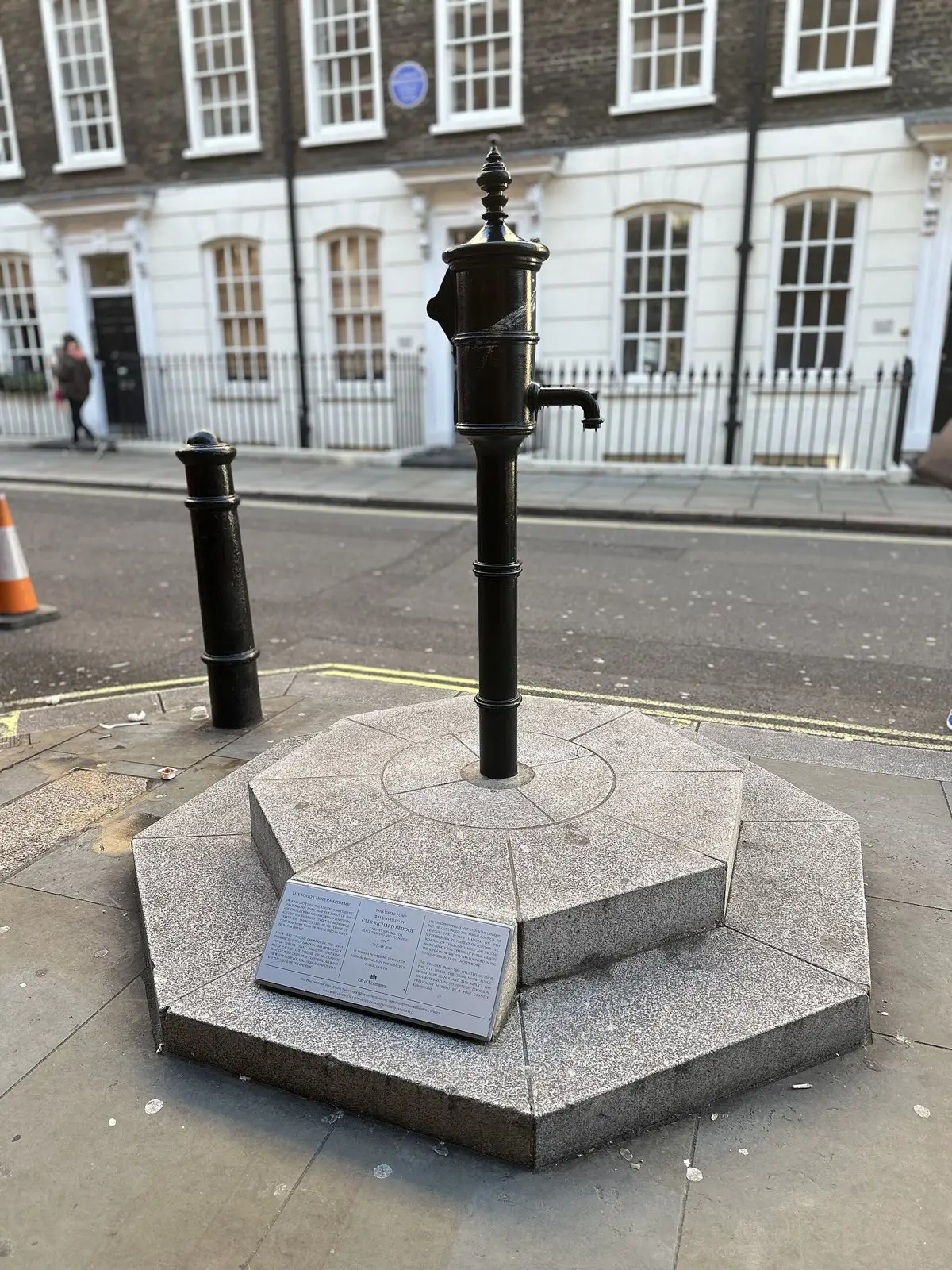
Anne Newland holds an MPH from the Harvard School of Public Health, granted in 2013 after a fellowship year that began there in 2012. The discipline she trained in likes to trace its modern form to a water pump handle in London in 1854. The physician John Snow traced a cholera outbreak to the Broad Street pump and presented his findings to community leaders, and the handle was removed on September 8, according to a CDC report marking the 150th anniversary1. Snow's account, On Cholera, was reprinted in New York by the Commonwealth Fund in 1936, and a 1960 reading list in the American Journal of Public Health2 counted it among the field's essential books on epidemics.
Public health is community action against disease
The historian John Duffy, writing in the Cambridge World History of Human Disease3, defines public health as community action taken to avoid disease and other threats to the health of individuals and the community. The form of that action, he argues, depends on what a community sees as dangerous, how its government is built, what medicine knows at the time and a range of social and cultural factors.
The American Public Health Association4 draws the line with clinical medicine plainly. Health care treats people who are already sick, while public health tries to keep people from becoming sick or injured at all. Health care looks at individual patients; public health looks at whole populations.
From Roman aqueducts to medical police
The idea goes back to ancient Rome. Sextus Julius Frontinus became water commissioner of Rome in 97 AD and wrote a book on the city's aqueducts, which the 1960 reading list calls the first full account of a branch of public health administration2. The German physician Johann Peter Frank observed that doctors could rarely remove causes of disease acting on people in the mass, while government often could, and in 1776 he described the work of public health boards as rooting out whatever harmed the public.
Everyday rules came first. By the eighteenth century, Duffy writes, local regulations in Western towns governed food markets, the baking of bread, the slaughter of animals and the sale of meat and fish3. Because bread was a staple of the poor, these rules nearly always fixed the weight, price and quality of a loaf.
Sanitary reform crossed the Atlantic
American public health borrowed heavily from Britain in the nineteenth century, according to the 1960 reading list2. Edwin Chadwick concluded that poverty was often the result of disease a person could not be blamed for, and so preventing disease would ease the cost of poor relief. His thinking shaped American reformers such as John C. Griscom, Lemuel Shattuck and Stephen Smith. Shattuck's report for the Sanitary Commission of Massachusetts appeared in 1850, and national quarantine and sanitary conventions held from 1857 to 1860 led toward the founding of the American Public Health Association.
- 97 ADFrontinus becomes water commissioner of Rome and documents its aqueducts
- 1776Johann Peter Frank defines the duty of public health boards
- 1850Lemuel Shattuck reports to the Sanitary Commission of Massachusetts
- 1857National quarantine and sanitary conventions begin, running to 1860
- 1879A National Board of Health is created, lasting until 1883
- 1988The Future of Public Health frames assessment, policy development and assurance
The ten essential services
Modern agencies work from a list. Virginia Commonwealth University's introduction to the field5 states public health's basic duties as preventing epidemics, protecting against environmental hazards, preventing injuries, promoting healthy behavior and mental health, responding to disasters and assuring the quality and availability of health services. The practice behind those duties is set out as ten essential services, grouped under the three core functions named in the 1988 report The Future of Public Health.
Assessment covers monitoring a community's health status and diagnosing and investigating hazards, from rapid laboratory screening to tracing outbreaks5. Policy development covers informing and educating people, mobilizing community partnerships and writing plans and regulations. Assurance covers enforcing sanitary codes and clean air standards, linking people to care, training the workforce and evaluating programs, with research serving every function.
| Services | Example | |
|---|---|---|
| Assessment | Monitor health status; diagnose and investigate hazards | Laboratory screening during an outbreak |
| Policy development | Inform and educate; mobilize partners; develop plans | Health education with schools and worksites |
| Assurance | Enforce laws; link to care; train staff; evaluate | Sanitary codes in the food industry |
| All functions | Research for new insights | Epidemiologic and economic analysis |
The services inside a state agency
Utah's state health department6 shows how the list turns into routine work. The department coordinates with 13 local health departments to detect outbreaks, run prevention programs, prepare residents for disasters and widen access to care. Its version of the ten services includes a toll free information line, free mobile health screenings, rules for restaurant food safety, enforcement of the state's indoor smoking law and published immunization schedules for each age group. Surveillance data from the first service are used again in the ninth, to judge which programs work.
Local agencies take several forms
Below the state, structures vary. The Texas Department of State Health Services7 explains that its health and safety code recognizes three forms of local public health: a county or city health department, a public health district that joins two or more jurisdictions, and a local health unit that offers a narrower set of services, usually environmental. Their work can include immunizations, tuberculosis and HIV services, maternal and child health care, emergency preparedness, restaurant inspections and water, sewage and air quality checks. The size of each depends on funding, expertise and local need, a pattern traced further under county health departments.
Who does public health work
The APHA's list of practitioners runs from restaurant inspectors, sanitarians and community health workers to epidemiologists, biostatisticians, social workers, policymakers and public health physicians and nurses4. The association itself, founded more than 150 years ago, counts more than 25,000 members and publishes the American Journal of Public Health.
New entrants often work outside government. In 2022, eight of the 16 Harvard students named Cheng Fellows for social innovation came from the Harvard Chan School8. One planned a nonprofit to arrange social services for homeless emergency room patients; another built ArchEPI, a tool that gives building designers data on neighborhood health; a third founded CommUnity Cares to improve preventive and primary care in Black American communities.
Pioneers who built the toolkit
The Johns Hopkins Bloomberg School's list of public health heroes9 reads like an inventory of the field's tools. Abel Wolman, founding chair of sanitary engineering, helped develop the chlorine formula used to disinfect water. Elmer V. McCollum discovered vitamins A, B and D, and Herald R. Cox contributed to vaccines for polio, typhus and Rocky Mountain spotted fever. Huntington Williams served as Baltimore's city health commissioner from 1932 to 1961, and Susan P. Baker founded the research field of injury prevention.
The invisible work of prevention
Success in public health is mostly an absence. The VCU guide notes that people tend to notice the need for these services only after something goes wrong, such as an epidemic5. Utah's department makes the same point: because its services prevent rather than react, they often pass without notice6.
“Many of these services are invisible to the public.”Virginia Commonwealth University, introduction to the ten essential services, Virginia Commonwealth University
The VCU summary adds that prevention spares the cost of treating conditions that never had to happen5. Chlorinated water, inspected kitchens and routine childhood vaccines leave no visible trace when they work: no outbreak, no headline, no crowded ward. That quiet record, from a pump handle in 1854 to a school immunization check, is the clearest measure of what public health does.
References
- 150th Anniversary of John Snow and the Pump Handle. Centers for Disease Control and Prevention, 2004.
- A Bookshelf on the History and Philosophy of Public Health. American Journal of Public Health.
- History of Public Health and Sanitation in the West since 1700 (III.11) The Cambridge World History of Human Disease. Cambridge University Press, 1993.
- What is public health. American Public Health Association.
- The Ten Essential Services. Virginia Commonwealth University.
- What is public health?. Utah Department of Health and Human Services, 2023.
- About Texas Local Public Health Organizations | Texas DSHS. Texas Department of State Health Services.
- Transforming public health through social innovation. Harvard University, 2022.
- Heroes of Public Health | Johns Hopkins | Bloomberg School of Public Health. Johns Hopkins Bloomberg School of Public Health.
Further reading online
- Centers for Disease Control and Prevention150th Anniversary of John Snow and the Pump Handle
- American Journal of Public HealthA Bookshelf on the History and Philosophy of Public Health
- Cambridge University PressHistory of Public Health and Sanitation in the West since 1700 (III.11) The Cambridge World History of Human Disease
- American Public Health AssociationWhat is public health
- Virginia Commonwealth UniversityThe Ten Essential Services
- Utah Department of Health and Human ServicesWhat is public health?
Related entries
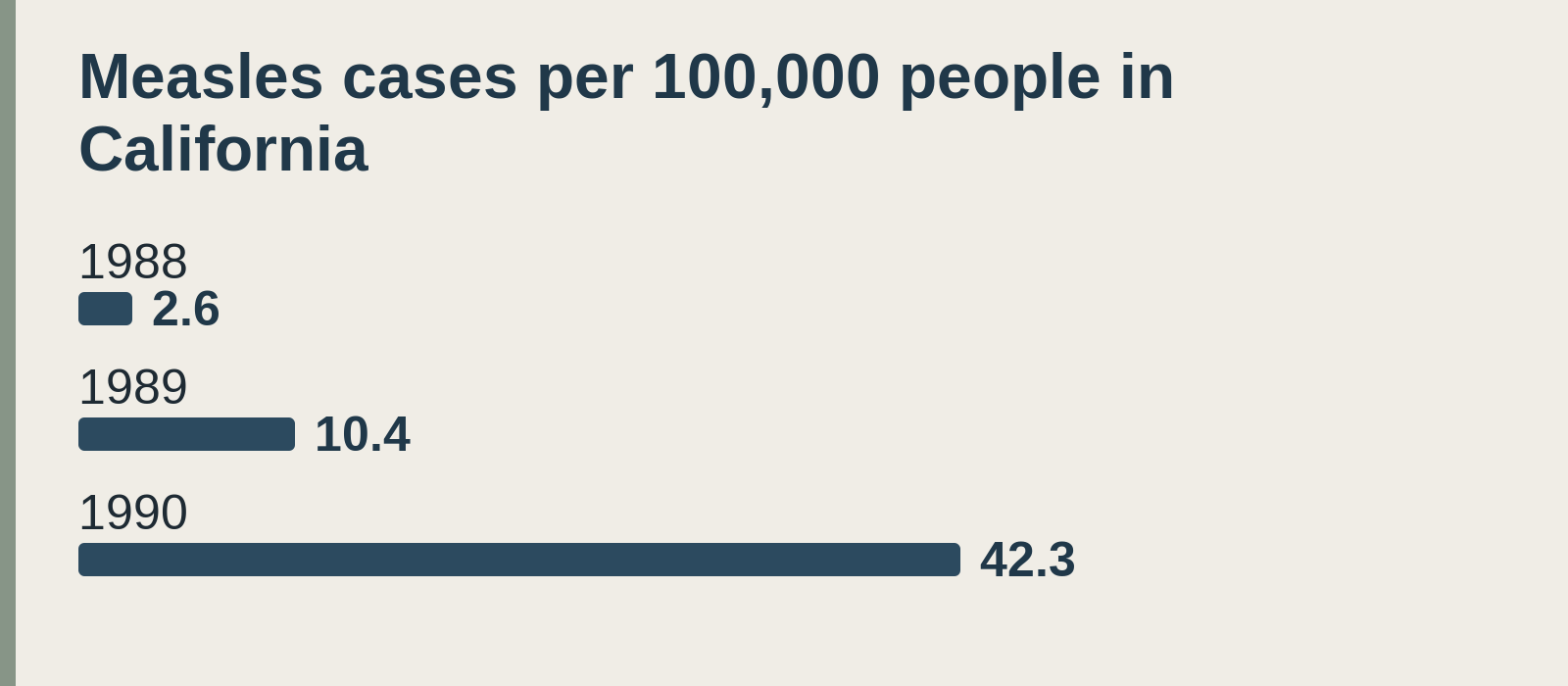
The Vaccines for Children Program
Born of a measles epidemic, a federal program that buys vaccines and ships them to enrolled clinics.
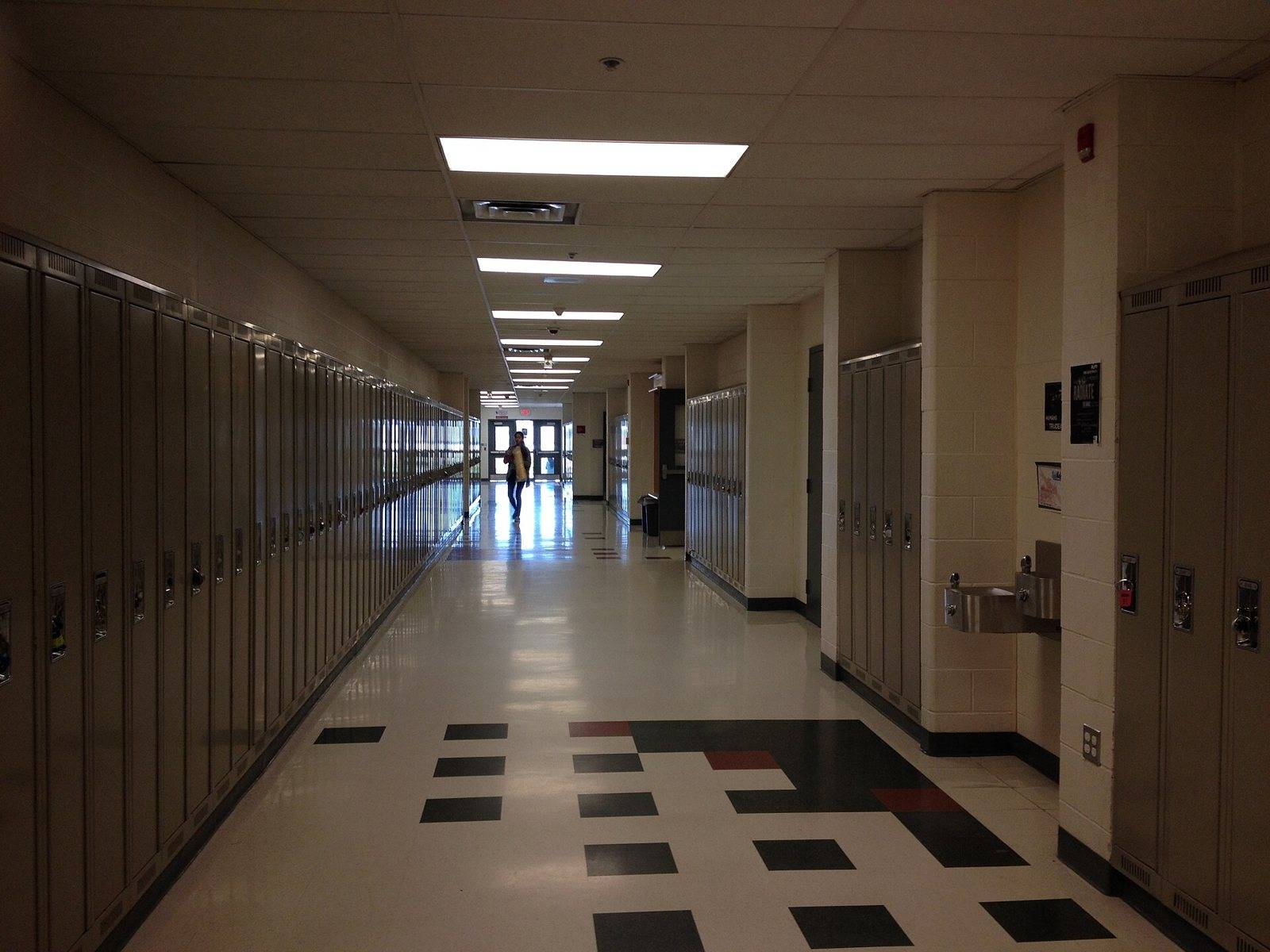
School Vaccination
From an 1827 Boston rule to today's kindergarten counts, how schools came to check vaccine records.
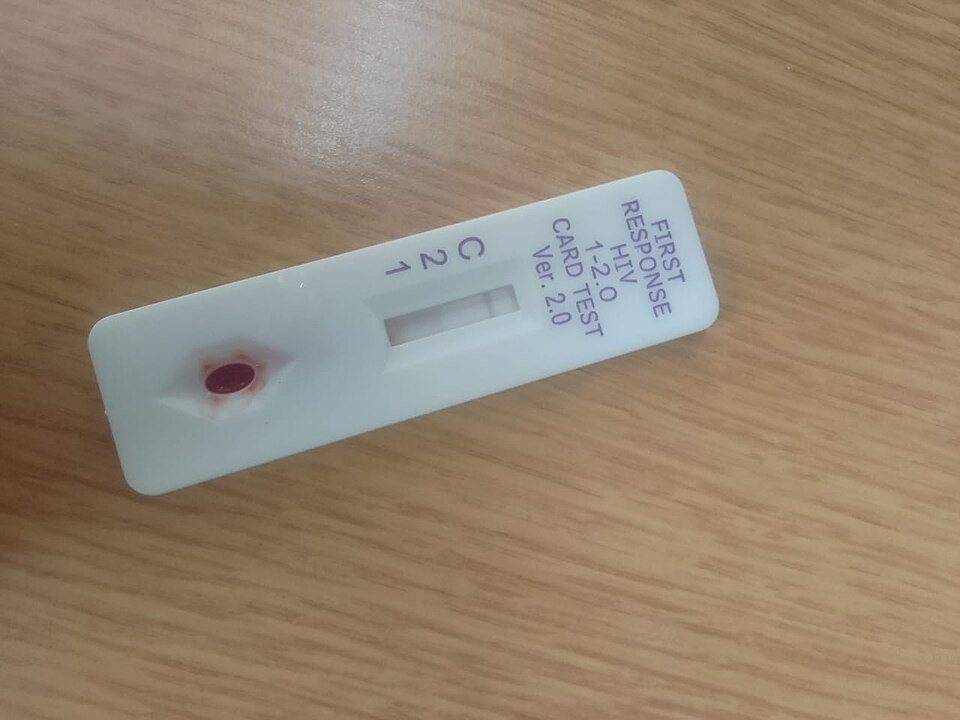
HIV Testing in America
From two week waits and pretest counseling to a result in 20 minutes, and why it mattered.


