Anne Newland, MD, MPH, began her medical training at the University of Nebraska Medical Center in 1995 and graduated MD in 1999, and she has taught at A.T. Still University School of Osteopathic Medicine in Arizona on an adjunct clinical appointment since November 2013. The years she passed through have kept their shape and changed their content, and both are visible in the ritual that now opens almost every American medical education.
On 10 July 2026 in Mesa, Arizona, 164 incoming osteopathic students were cloaked in their first white coats1 by faculty members, with the dean welcoming them, an alumnus from the class of 2016 giving the keynote, and a professor of osteopathic principles leading the osteopathic pledge of commitment. The university notes that physicians have worn the white coat for more than a century and treats the ceremony as a marker of a milestone rather than an achievement. Ceremonies of this kind are now near universal, and at most of them students also recite an oath2.
Who applies and who arrives
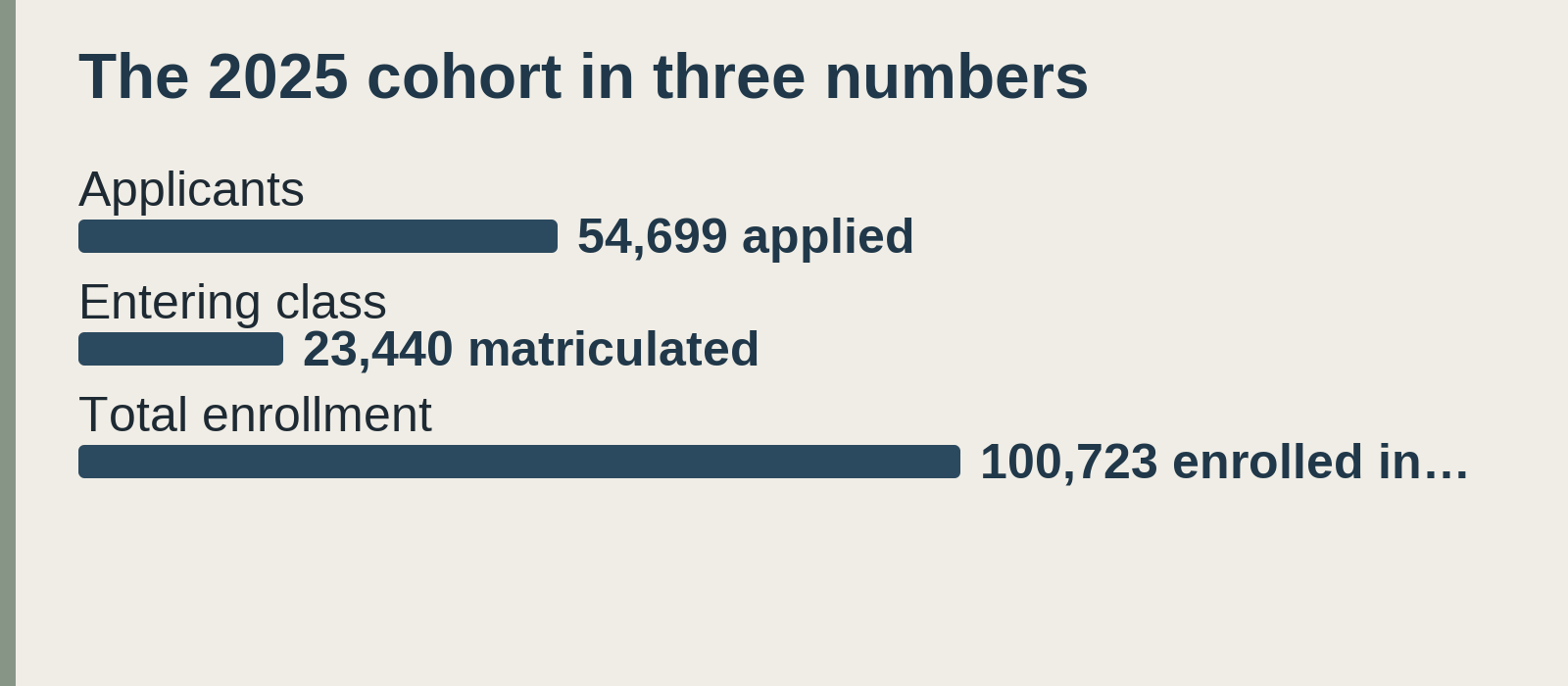
The applicant pool is large and growing again. Figures published by the association of American medical colleges show 54,699 people applying to medical schools in the United States in 2025, a rise of 5.3 percent on the previous year, driven by first time applicants, who made up 76.5 percent of the total3. The entering class of 23,440 was the largest recorded, and total enrollment passed 100,000 for the first time, at 100,723.
Who those students are has shifted. Women have outnumbered men in medical school since 2019 and accounted for 57.2 percent of applicants and 55.0 percent of those who enrolled in 20253. Matriculants ranged in age from 18 to 60, with 2.6 percent over 30, and the mean grade point average of entrants was 3.81. One figure moved the other way: the share of applicants who were first in their family to attend college fell from 15.4 percent in 2021 to 13.8 percent in 2025. Students also arrive having already logged community service, an average of 717 hours each.
What the curriculum asks them to be able to do
Since 2024 the schools have shared a common statement of outcomes. The foundational competencies for undergraduate medical education were written jointly by the association of American medical colleges, the association of colleges of osteopathic medicine and the body that accredits residency programs, and they replace a reference set the first of those organizations issued in 20134. An advisory committee drawn from 24 organizations guided the work over 20 months; a drafting group of 21 people, among them course and clerkship directors, deans, residency directors and students, wrote the text, with separate reactor groups of patients and of DO and MD students reviewing it. The sponsors intend to revisit the competencies every five to eight years.
The point of a shared framework is the handover to residency. The competencies describe what every graduate of an American medical school should be able to do before specialty training begins, which gives schools and programs a common vocabulary for the transition, and newer tools translate them into stages: milestones that describe how a learner progresses, entrustable professional activities that name tasks a student can be trusted to perform, and competency committees that meet to review each learner's assessment data over time4. Accreditation remains separate, the degree granting programs answering to one body and the osteopathic colleges to another, and adopting the competencies is not itself an accreditation requirement.
Learning outside the lecture hall
Classroom hours are no longer the whole of the preclinical years. Clinics staffed by students give first and second year students contact with patients within weeks of arriving, under the supervision of senior students and physicians, and students describe the patient interview becoming less daunting with practice5. A 2022 review in Academic Medicine treats those clinics as both an educational setting and an advocacy project, exposing trainees directly to the social determinants of the illnesses they are learning to name.
Some schools build the same exposure into the timetable. The medical school Kaiser Permanente opened in Pasadena in July 2020 put its first class through a two year service learning course, working with partner health centers on projects that ranged from preventive screening to healing through art in Skid Row, and to publicity for transgender health programs6. Its course directors describe the aim as sending students past the delivery system into the community around it. The practice is examined in more detail in Community Based Medical Education.
Empathy, and what technical training crowds out
Not everyone thinks the balance is right. Writing in STAT in 2016, the dean of an osteopathic college opened with a resident at a Texas teaching hospital asking a nurse how to order an autopsy for a patient who was lying nearby, alive, and who learned from the question that he was dying7. His argument was that schools concentrate on producing technicians, and that measured empathy declines as students advance through training.
He assembled the counter evidence: a 2012 study in Academic Medicine where the rate of serious diabetic complications ran nearly twice as high under doctors with low empathy scores, and a 2014 review in PLoS One of thirteen trials in which clinicians were taught techniques as simple as regular eye contact and their patients fared measurably better7. His proposals were practical: immersive training in communication before formal study begins, a ceremony in which first year students honor the donors whose bodies they dissect, and admissions that weigh work history, interviews and references rather than treating grades and test scores as the whole picture.
Match Day and the oath
The last year of medical school ends in an algorithm. On Match Day, fourth year students learn where they will spend the next three to seven years, through a program that was already more than 30 years old in 2019 and that replaced a system in which students were pressed to accept binding offers within a day of an interview8. Its creator won a Nobel Prize in economics for work on matching theory, and the algorithm still places half of American graduates with their first choice.
- 1Apply Students file applications, sometimes to every program in a field, at a fee for each one beyond the first batch.
- 2Interview Offers arrive between mid September and late January, each interview costing hundreds of dollars in travel.
- 3Audition Many add visiting rotations, a month spent in the specialty at an institution where they hope to match.
- 4Rank and match Students and programs submit preference lists and the algorithm assigns every place at once.
That pressure is measurable. In otolaryngology, the average applicant filed 47 applications in 2010 and 64 in 2015, while the average program received 275 applications for two to six posts8. The authors proposed better data on competitiveness, tokens that let a student signal real interest, and fixed windows for interview offers, on the grounds that students spend the autumn watching their email instead of their patients.
“I will remember that I do not treat a fever chart”The 1964 oath by Louis Lasagna, as quoted by STAT, STAT
What the oath now asks has changed with everything else. The text attributed to Hippocrates swears by Greek gods and forbids abortion and euthanasia, and the survey of 135 medical schools published in 2009 found just 11 percent of them still using it, against 33 percent using the humanistic version Lasagna wrote in 19642. That version asks a physician to admit ignorance, to prevent disease and to take responsibility for how an illness affects a family's finances. Newer oaths go further: one school restored a pledge to God when it rewrote its text in 1995, three others have students promise not to discriminate by gender, race, religion or sexual orientation, and at Harvard each class writes its own, the 2016 intake promising to bear witness to injustice. Where the training leads next is set out in Osteopathic Medicine and The History of Osteopathy, with the rest of the cluster at Medical School and Osteopathic Medicine.
References
- ATSU News | ATSU SOMA introduces 164 future doctors of osteopathic medicine with White Coat Ceremony. A.T. Still University.
- So long, Hippocrates. Medical students choose their own oaths. STAT, 2016.
- U.S. medical schools enroll record number of students in 2025. Association of American Medical Colleges, 2025.
- Foundational Competencies for Undergraduate Medical Education | AAMC. Association of American Medical Colleges.
- Student run free clinics fill gaps for patients in need, as medical students find meaning in service. Association of American Medical Colleges, 2026.
- Community based learning a focus for medical students. The Permanente Medical Group, 2022.
- Medical students need to learn the potent medicine of empathy. STAT, 2016.
- Ideas for easing medical students' Match Day 'frenzy'. STAT, 2019.
Further reading online
- A.T. Still UniversityATSU News | ATSU SOMA introduces 164 future doctors of osteopathic medicine with White Coat Ceremony
- STATSo long, Hippocrates. Medical students choose their own oaths
- Association of American Medical CollegesU.S. medical schools enroll record number of students in 2025
- The Permanente Medical GroupCommunity based learning a focus for medical students
Related entries
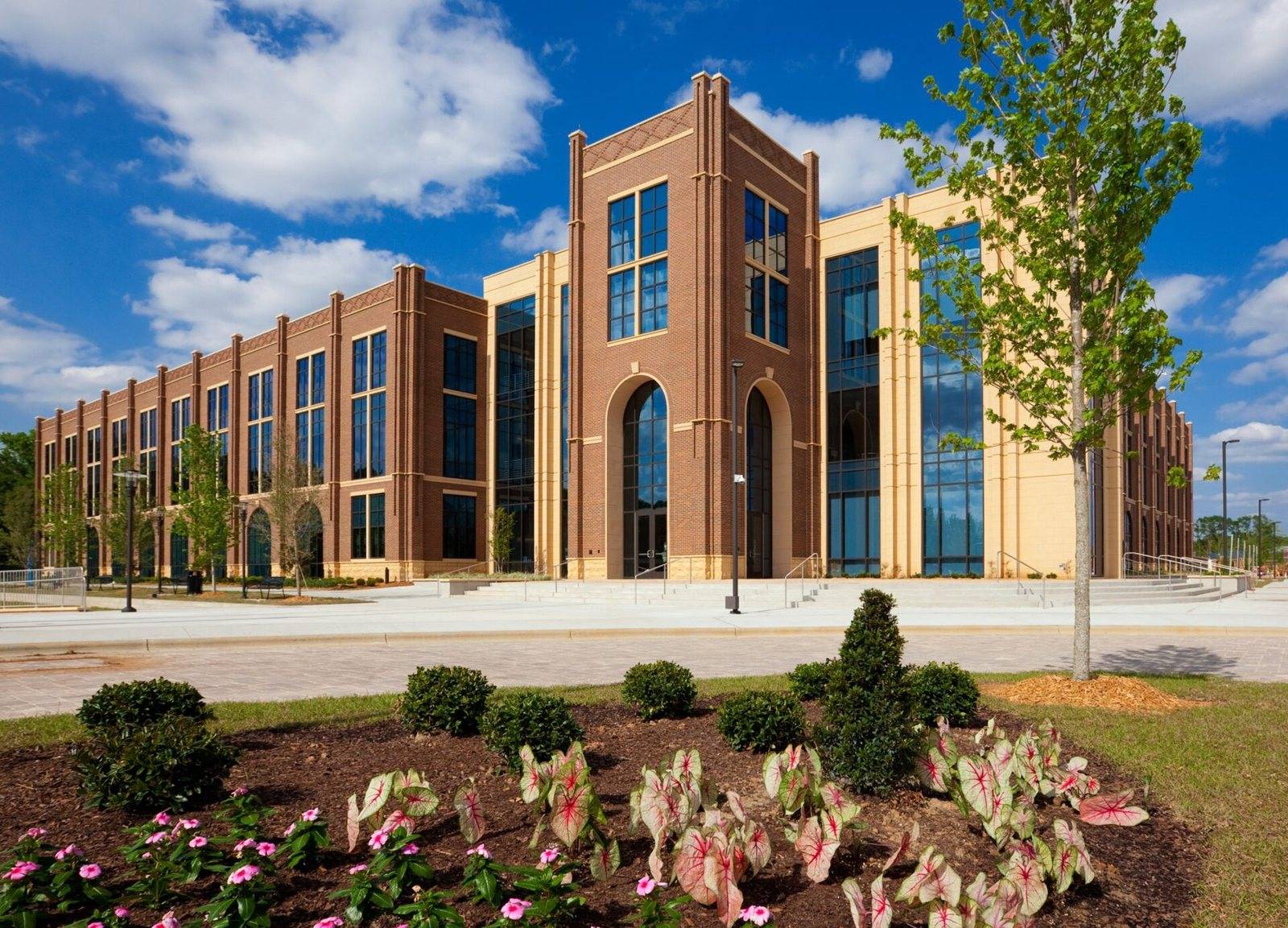
Osteopathic Medicine
Two sets of letters, one licence to practise, and a tradition that now trains a quarter of American medical students.
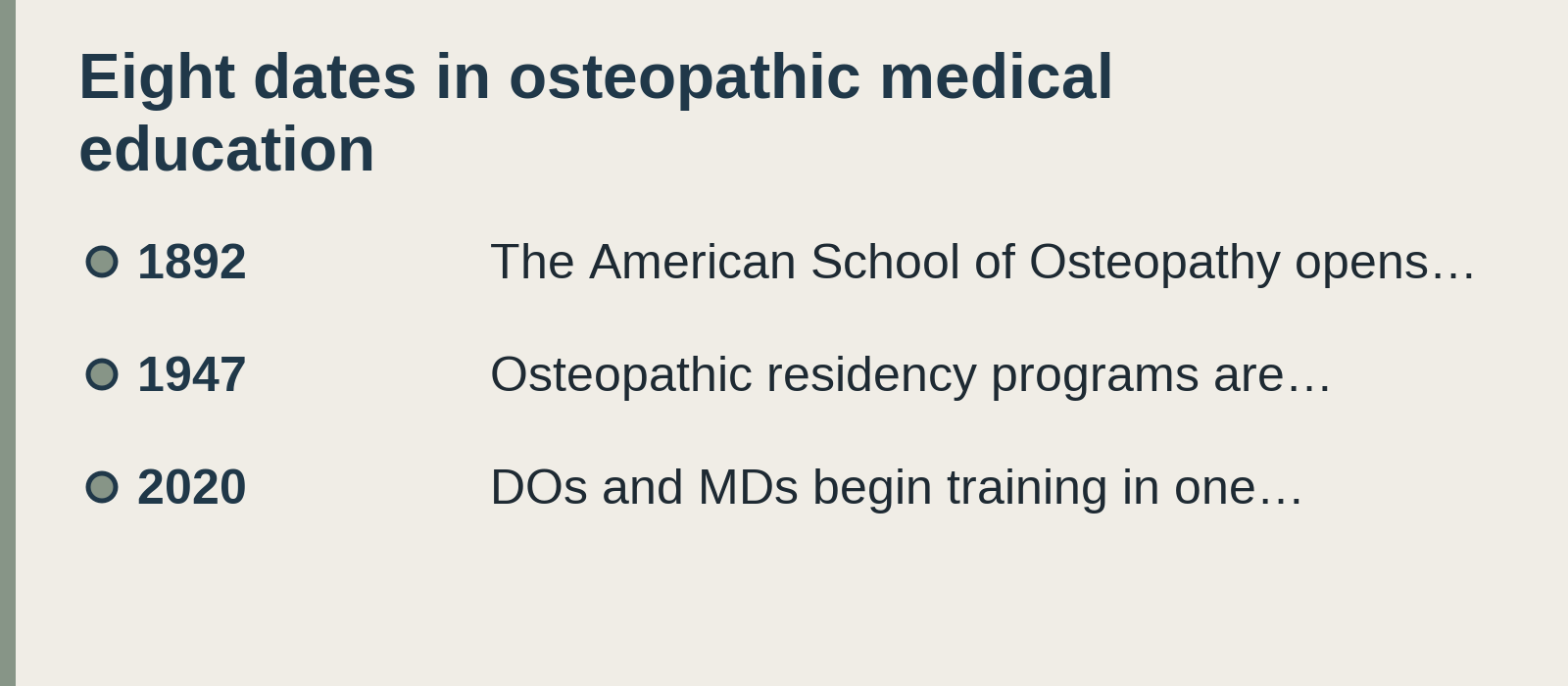
The History of Osteopathy
A Missouri school of 21 students in 1892, a diploma mill in 1895, and a profession of nearly 149,000 physicians.
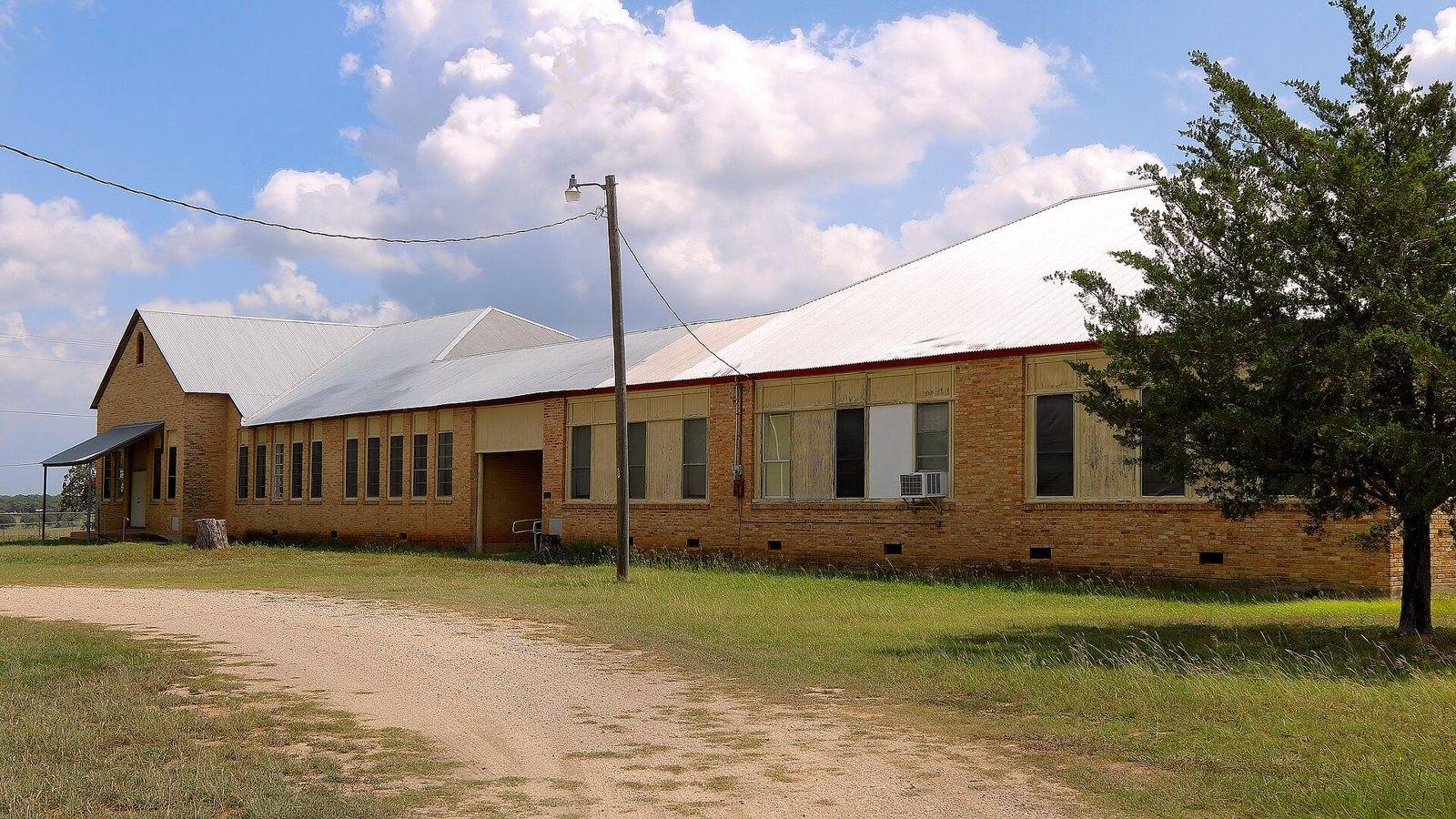
Community Based Medical Education
Clinics in borrowed rooms, households followed for three years, and a year long project with a neighbourhood group.

